Peptide Top Quality: Relevance Of Third-party Recognition
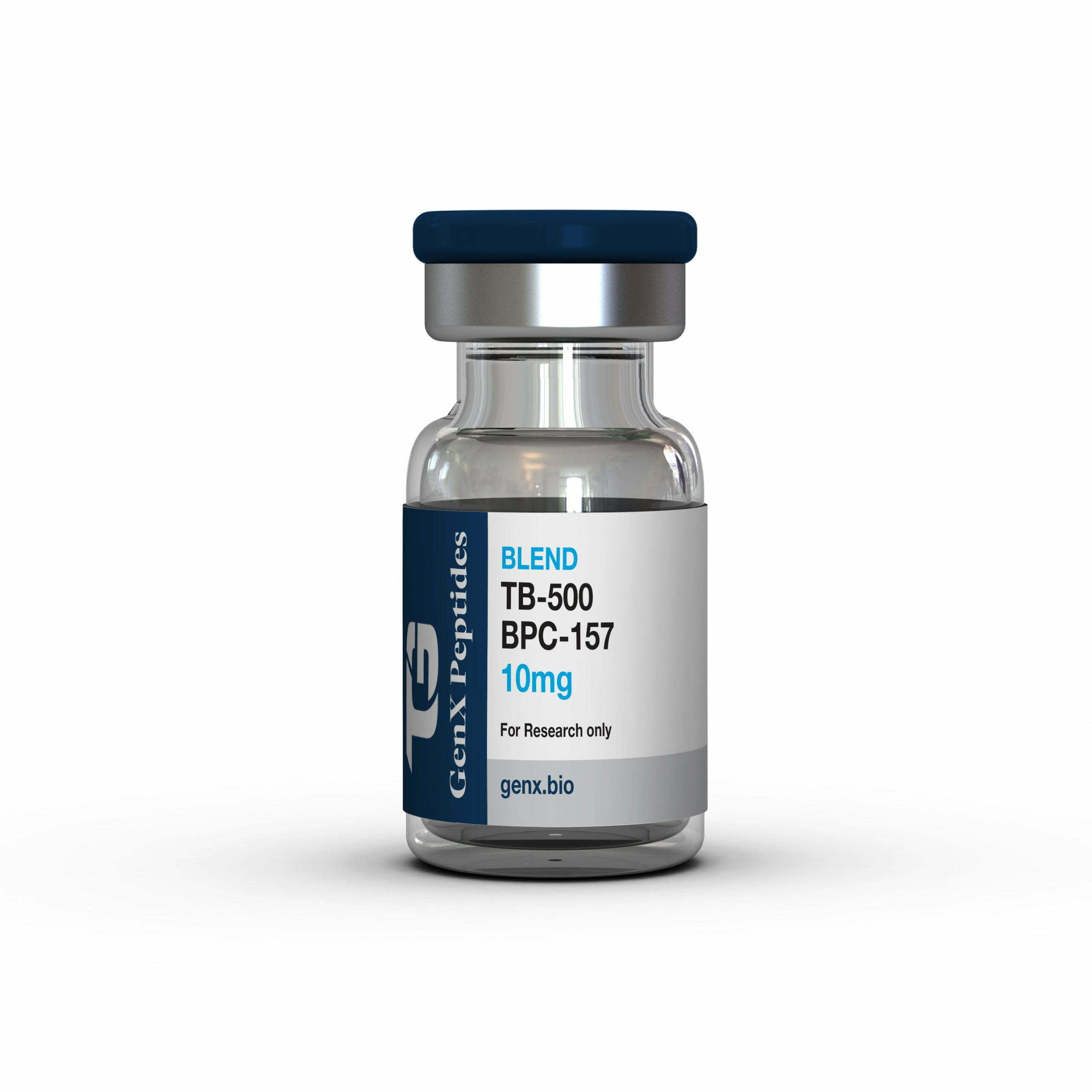
For a lot of readers of a peptide beginners' guide, "research-grade" is the world you operate in. It guarantees you that the peptide will execute well in experiments (assuming pureness and identification are as specified), however it also brings the caution "Study Use Only." This phrase is normally printed on Biochemistry the vial or documents. It functions as a reminder and legal please note that the item is not a restorative or palatable.- The high quality and reliability of a peptide pureness measurement depend on approach criteria and documentation high quality.Most peptide providers and research laboratories rely upon several reputable analytical approaches.As long as you obtain peptides from a trusted resource that offers a total certification of evaluation, you can be certain in the peptide's purity grade and usage extent.
Solutions
Inconsistent bit size distribution and morphology can affect bioavailability and stability. BOC Sciences is equipped with instruments like DLS, TEM, SEM, etc, to fully analyze nanoparticle dimension, distribution, and microstructure. For us, purity isn't just a portion-- it's a promise of integrity, uniformity, and regard for the science being done.
Why Does Peak Usage Both Hplc And Mass Spectrometry?
Trustworthy peptide screening laboratories will certainly provide a suite of modern-day analytical methods-- HPLC combined with MS is a must, and availability of additional methods like capillary electrophoresis or amino acid analysis is an incentive. Be cautious of laboratories that do not make use of mass spectrometry alongside HPLC, as this might miss important identification information. Likewise, prevent labs that can not demonstrate verified logical methods. In accordance with ICH standards, verified approaches suggest the laboratory has actually developed the test's accuracy, precision, discovery limitations, etc, guaranteeing the information you get are reputable.Importantly, this purity number is commonly determined after filtration (e.g. by HPLC) and concentrates on peptide impurities-- it does not count residual water, salts, or counter-ions in the dried out peptide powder. Simply put, the purity percent has to do with the make-up of peptide types in the example, not the weight contribution of water or salts. A peptide can be 98% pure (implying very couple of peptide contaminations) yet still contain some water or trifluoroacetate salt; those non-peptide elements would be reflected in the web peptide content instead of the pureness percent. At Creative Peptides, we give custom peptide chemical and physical evaluations for research study teams that require reliable information on peptide identification, pureness, composition, service behavior, and sample high quality. Our solution sustains synthetic, customized, cyclic, conjugated, and challenging peptide examples with logical operations built around the real project concern as opposed to a fixed default panel.
Nonetheless, attaining ultra-high pureness (state 99%) can be practically challenging and may not constantly be necessary, as we'll discuss later. The trick is understanding what degree of pureness suffices for your demands and how pureness is figured out in the first place. For most research purposes, high purity indicates you can be positive that the vast majority of the molecules in your vial are the right peptide, which helps guarantee experimental consistency and reproducibility. Our operations is made to move from sample context testimonial to interpretable peptide information with minimal analytical ambiguity. Tasks can range from one sample identification check to multi-lot comparability, recurring review, solubility evaluation, or stability-focused logical bundles. Hydrophobic peptides, extremely fundamental series, changed constructs, and closely related analogs can be assessed with approach adjustments matched to their logical dangers.
HPLC informs you what percentage of your example is the major substance-- yet it does not validate what that main substance really is. A height with the right retention time can theoretically be an associated peptide with similar hydrophobicity. Mass spectrometry gives identity verification by determining molecular mass straight. We assess peptide size, sequence structure, anticipated molecular weight, alteration type, salt kind, sample background, and designated downstream use before specifying the analytical route. Not every application needs 99% purity, and filtration is a significant element of peptide production price. Trace quantities of solvents utilized throughout synthesis and purification-- acetonitrile, dimethylformamide (DMF), dichloromethane-- can stay in the final product. These are normally existing at really reduced levels in properly made peptides and are regulated by ICH Q3C guidelines for acceptable restrictions. If the target peptide's peak make up 99.1% of the complete peak location, the peptide is reported as 99.1% pure by HPLC. Lots of credible study peptide providers utilize third-party laboratories; some conduct in-house testing with publication of lab credentials. 